
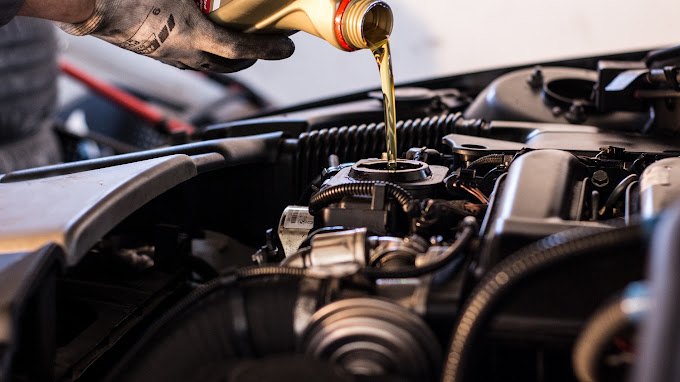
A car depends on several different fluids to keep running smoothly, and letting any one of them run low or break down can lead to real problems, some minor, others expensive. Many drivers only think about fluid levels once a warning light appears on the dashboard, by which point the issue has often already progressed further than expected. A proper car service in Preston typically includes a full check of these levels, but it helps to know what’s being looked at and why, rather than leaving it as a mystery between visits.
Engine Oil: The Most Critical Fluid
Engine oil lubricates moving parts inside the engine, reducing friction and preventing metal components from wearing against each other.
Over time, oil breaks down and loses its ability to protect the engine effectively. This happens gradually, which is why oil is typically checked and changed at set intervals rather than waited on until a problem appears.
Low oil levels or old, degraded oil can lead to increased engine wear, and in serious cases, significant internal damage that’s far more expensive to repair than a routine oil change.
Checking the oil level with the dipstick every few weeks is a simple habit that catches problems early. It’s also worth noting the oil’s colour and consistency, since dark, gritty oil is usually a sign it’s overdue for a change.
Coolant: Protecting the Engine from Overheating
Coolant, sometimes called antifreeze, regulates engine temperature by circulating through the engine and radiator, carrying heat away as the car runs.
Low coolant levels or a coolant that’s broken down over time significantly increase the risk of overheating, which can cause serious engine damage if the problem isn’t caught early.
A slow coolant leak isn’t always obvious, sometimes only showing up as a faint smell or a small patch under the car after it’s been parked. This is one of the reasons a coolant check should be paired with an inspection for potential radiator repairs in Preston, since a leak in either the radiator or surrounding hoses produces similar symptoms.
Checking coolant levels regularly, particularly before long trips or hot weather, is a straightforward way to avoid an overheating issue turning into a much bigger repair.
Brake Fluid: Essential for Safe Stopping
Brake fluid transfers the pressure applied at the pedal through to the brakes themselves, making it a critical part of how a car stops safely.
Unlike some other fluids, brake fluid doesn’t get used up in the way oil does. Instead, it gradually absorbs moisture from the air over time, which reduces its effectiveness and can lead to a spongy or less responsive brake pedal.
This is why brake fluid is generally replaced on a time-based schedule, often every two years, rather than based on distance travelled. Waiting too long between changes can genuinely affect how well a vehicle stops, particularly under heavy or repeated braking.
A soft or slow-feeling brake pedal is often one of the first noticeable signs that brake fluid needs attention, and it’s worth having checked promptly rather than waiting for the next scheduled service.
Power Steering Fluid: Keeping Steering Responsive
Power steering fluid helps reduce the effort needed to turn the steering wheel, particularly noticeable at low speeds or when parking.
Low fluid levels often show up as stiffer, heavier steering, or in some cases, a whining noise when turning the wheel. This is usually one of the more noticeable fluid issues, since the change in steering feel tends to be fairly obvious to the driver.
Leaks are a common cause of low power steering fluid, often appearing as small patches under the front of the vehicle near where the wheels sit.
Checking this fluid periodically, and addressing any leak promptly, helps avoid unnecessary strain on the steering pump, which is a considerably more expensive component to replace than simply topping up fluid.
Transmission Fluid: Often Overlooked, Genuinely Important
Transmission fluid lubricates and cools the components inside a car’s transmission, whether automatic or manual, and plays a big role in how smoothly a car shifts.
Low or degraded transmission fluid can lead to rough or delayed gear changes, and in more serious cases, contribute to transmission damage that’s costly to repair.
This fluid is often overlooked simply because it’s not checked as frequently as oil, and in many modern vehicles, it’s not something owners can easily inspect themselves.
Because of this, transmission fluid checks are best left as part of a proper service, where a mechanic has the right equipment and knowledge to assess its condition accurately rather than relying on guesswork.
Windscreen Washer Fluid: Small but Worth Remembering
Windscreen washer fluid doesn’t affect how a car runs, but it plays a genuine role in driver visibility and safety, particularly during Melbourne’s wetter months.
Running low on washer fluid is one of the easiest issues to prevent, yet it’s also one of the most commonly forgotten, often only noticed when it’s needed and unavailable.
Topping this up regularly is a simple task most drivers can do themselves, and it’s worth checking alongside other fluids rather than treating it as an afterthought.
While minor compared to the other fluids covered here, clear visibility is still an important safety factor, especially during sudden rain or when driving behind larger vehicles that kick up spray.
Staying on top of these fluid levels is one of the easiest ways to avoid bigger, more expensive problems down the track, and the team at Albert ST Automotive is happy to check them all as part of a proper service. For bookings or enquiries, contact 0394701052. You can also find us on Google Business Profile to read reviews from local drivers before booking in. Let the team take care of your car’s fluids properly, before a small issue turns into a bigger one.