
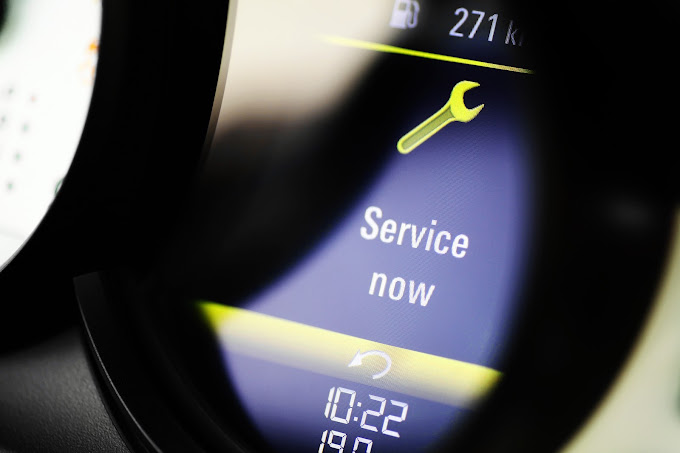
Noticing more frequent trips to the petrol station isn’t always down to driving habits or traffic. Often, it’s a sign that something in the vehicle isn’t working as efficiently as it should be. A professional car service in Preston is one of the most reliable ways to identify what’s causing increased fuel use, since many of the underlying issues aren’t obvious from behind the wheel.
Dirty or Failing Air Filters
An air filter’s job is to keep debris and contaminants out of the engine while allowing a steady flow of air in for combustion.
Over time, this filter collects dust and particles, gradually restricting airflow into the engine. A restricted air filter forces the engine to work harder to draw in the air it needs, which increases fuel consumption as a result.
This is one of the more affordable and straightforward fixes available, and it’s typically checked as a standard part of a routine service. A visibly dirty filter is often enough for a mechanic to recommend replacement without further testing.
Left unaddressed for long enough, a badly clogged air filter can also affect engine performance more broadly, making this a worthwhile check even if fuel use hasn’t noticeably increased yet.
Worn Spark Plugs and Ignition Issues
Spark plugs ignite the fuel-air mixture inside the engine, and worn or fouled plugs can significantly affect how efficiently that combustion happens.
When spark plugs wear down, they may fire inconsistently or weakly, leading to incomplete combustion. This means some fuel isn’t burned as effectively as it should be, which translates directly into reduced fuel efficiency.
Symptoms often include a rougher idle, hesitation during acceleration, or occasional misfiring, though increased fuel use can sometimes be the only noticeable sign in its early stages.
Spark plugs are generally replaced at set service intervals, though driving conditions and vehicle age can affect how quickly they wear. Mechanics in Preston can assess their condition during a routine service and recommend replacement if needed.
Tyre Pressure and Alignment Issues
Tyres play a bigger role in fuel efficiency than many drivers realise, largely through rolling resistance, the effort required to keep the car moving forward.
Underinflated tyres increase rolling resistance, meaning the engine has to work harder to maintain the same speed. This is a common, easily fixed cause of increased fuel consumption, particularly since tyre pressure naturally decreases over time.
Wheel alignment issues can have a similar effect, causing tyres to drag slightly rather than roll freely, even if the difference isn’t obvious while driving.
Checking tyre pressure regularly, ideally monthly, is one of the simplest habits a driver can maintain. It’s a quick check that can make a genuine difference to fuel use without requiring any workshop visit at all.
Oxygen Sensor and Fuel System Problems
Modern engines rely on sensors to constantly adjust the fuel-air mixture for optimal combustion, and a faulty oxygen sensor can throw this balance off considerably.
When an oxygen sensor malfunctions, the engine’s computer may compensate by running a richer fuel mixture than necessary, increasing consumption without any obvious change in how the car drives.
Fuel injectors can also contribute to this issue if they become partially clogged, delivering fuel unevenly or inefficiently into the engine.
These issues often trigger a check engine light, though not always immediately. A proper diagnostic check can identify whether a sensor or fuel system component is behind unexplained fuel use, rather than leaving it to guesswork.
Electrical and Battery-Related Performance Issues
While less commonly considered, electrical issues can also contribute to increased fuel consumption, particularly in vehicles with more advanced onboard systems.
A weak or ageing battery forces the alternator to work harder to keep the electrical system charged, which places additional load on the engine. This is a subtle effect, but it can add up over time, especially in vehicles that rely heavily on electrical components for performance and efficiency management.
If a battery is struggling, it’s often worth having it tested rather than assuming fuel use is unrelated. Battery replacement in Preston can resolve this contributing factor, particularly if the battery is nearing the end of its typical lifespan.
This is rarely the primary cause of a major fuel increase on its own, but it’s a factor worth ruling out during a broader diagnostic check.
Driving Habits and Vehicle Load
Not every increase in fuel use points to a mechanical issue. Driving habits and how a vehicle is loaded can have a noticeable effect as well.
Frequent short trips, particularly in cold conditions; don’t give the engine enough time to reach optimal operating temperature, which increases fuel consumption compared to longer, steadier drives.
Carrying unnecessary weight, whether from items left in the boot or a roof rack that’s rarely used, also adds to the engine’s workload and reduces overall efficiency.
While these factors are worth considering, it’s still sensible to rule out mechanical causes first, particularly if fuel use has increased noticeably rather than gradually over time.
Unexplained increases in fuel use are usually worth investigating rather than dismissing, and the team at Albert ST Automotive is here to help and identify exactly what’s behind it. For bookings or enquiries, contact 0394701052, or visit the workshop on Albert Street, Preston, to get your car checked properly.