
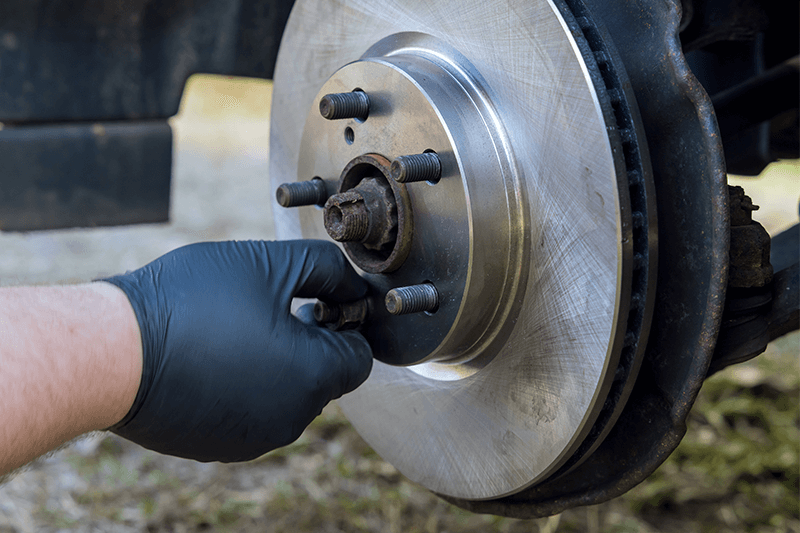
A grinding noise when braking is one of the most common reasons drivers book an unplanned workshop visit, and for good reason. It’s rarely a sound worth ignoring, since it often points to a component that’s worn beyond its safe limit. This is usually the point where drivers start looking into brake repairs in Preston, wanting a straight answer on what’s causing the noise before it turns into a bigger problem.
Worn Brake Pads Are the Most Common Cause
In the vast majority of cases, a grinding noise means the brake pads have worn down past their friction material.
Brake pads are designed with a wear indicator, a small metal tab that makes contact with the rotor once the pad material is nearly gone. This is a deliberate safety feature, meant to alert the driver before metal-on-metal contact causes more serious damage.
Once this indicator starts making contact, the grinding sound becomes noticeable, particularly when braking at lower speeds or coming to a complete stop. It typically gets louder and more consistent the longer it’s left unaddressed.
Replacing pads at this stage is usually a straightforward, relatively inexpensive job. Leaving it much longer risks damaging the rotors themselves, which turns a simple pad replacement into a more involved and costly repair.
Rotor Damage from Prolonged Metal Contact
If brake pads are left worn for too long, the metal backing plate can begin grinding directly against the rotor surface.
This contact causes visible scoring or grooves on the rotor, which affects how evenly the brakes can grip once new pads are fitted. In more severe cases, rotors can become warped or unevenly worn, leading to a pulsing sensation through the brake pedal or steering wheel.
Rotors that have sustained this kind of damage generally need to be resurfaced or replaced entirely, rather than simply paired with new pads. This is one of the clearest examples of how a small, inexpensive fix can turn into a larger repair if it’s left unattended.
Catching the grinding noise early, before it progresses to this stage, is the most effective way to avoid this additional cost altogether.
Debris Caught in the Brake Assembly
Not every grinding noise points to worn components. Sometimes a small stone or piece of debris becomes lodged between the brake pad and rotor, causing a similar sound.
This type of noise often has a slightly different character, sometimes more of a scraping or intermittent sound rather than a constant grind. It can also appear suddenly, rather than gradually worsening over time the way pad wear typically does.
While this cause is generally less serious, it’s still worth having checked, since debris can sometimes cause minor scoring on the rotor surface if left in place. A quick inspection can usually identify and clear the issue without needing any parts replaced.
Rear Brake Wear Is Often Overlooked
Many drivers associate brake wear primarily with the front brakes, since they tend to handle a larger share of stopping force. Rear brakes are sometimes overlooked as a result.
Depending on the vehicle, rear brakes can still wear down significantly, particularly in cars that rely on rear brakes more evenly or in driving conditions involving a lot of stop-start traffic. A grinding noise from the rear is just as serious as one from the front and shouldn’t be dismissed as less important.
Rear brake systems can also include additional components, such as a handbrake mechanism, which adds complexity when diagnosing a noise. This is another reason a proper inspection matters, rather than assuming the issue is isolated to the front of the vehicle.
Addressing rear brake wear promptly helps maintain even, predictable braking performance across the whole vehicle.
Why This Noise Shouldn’t Be Left Unchecked
Beyond the risk of more expensive repairs, a grinding noise when braking has a direct impact on safety, which is the main reason it shouldn’t be ignored.
Worn brake pads take longer to bring a vehicle to a stop, particularly noticeable in wet conditions or during sudden braking. This reduced stopping power becomes more pronounced the further the pads wear down, which is a genuine safety risk for both the driver and other road users.
There’s also a compliance factor to consider. Brakes are one of the key components checked during a roadworthy inspection, so unresolved brake wear can affect a vehicle’s ability to pass this assessment.
Addressing the noise promptly, rather than waiting for a scheduled service, is the most reliable way to avoid both the safety risk and the possibility of a more expensive repair down the track.
What to Expect During a Brake Inspection
A proper brake inspection generally starts with a visual check of the pads, rotors, and surrounding components, followed by a closer look at anything showing signs of wear or damage.
Pad thickness is measured against the manufacturer’s minimum specification, and rotors are checked for scoring, warping, or uneven wear. If debris is suspected as the cause, this is usually identified fairly quickly during the initial inspection.
Once the cause is confirmed, a mechanics in Preston should explain exactly what’s needed and why, rather than assuming the customer will accept a quote without context. This is particularly important with brake work, given the direct link to vehicle safety.
Most straightforward pad replacements can be completed within a few hours, while rotor replacement or resurfacing may take a little longer depending on parts availability.
A grinding noise when braking isn’t something worth waiting on, and the team at Albert ST Automotive is ready to get it properly diagnosed and sorted. For bookings or enquiries, contact us on 0394701052 to have your brakes checked properly before the issue gets any bigger.