
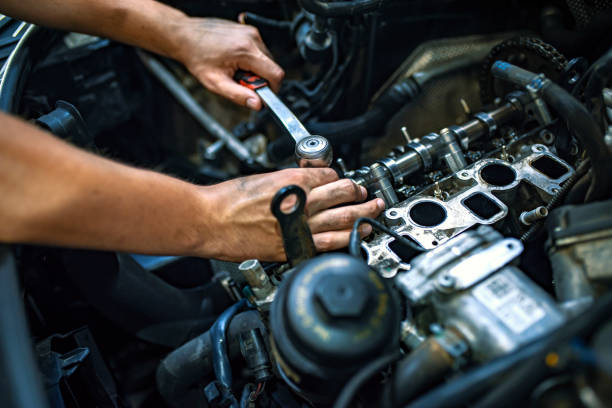
Booking a repair often comes with more questions than answers, particularly for drivers who aren’t sure what a quote actually covers or whether a problem needs fixing straight away. Car repairs in Preston are something most drivers face at some point, yet many still feel unsure about what to expect once their vehicle is on the hoist. This article works through the questions asked most often at the workshop counter, covering everything from pricing to warranty concerns, so drivers can make informed decisions without second-guessing the process.
Why Does Mechanic Check Things I Didn’t Ask About?
It’s common for a vehicle to come in for one issue and leave with a mechanic flagging something unrelated. This isn’t an attempt to sell unnecessary work; it reflects how interconnected a car’s systems actually are.
A brake concern, for example, can point to wear elsewhere in the suspension. A battery that struggles to start the car might indicate an alternator issue rather than the battery itself. A thorough inspection considers the whole picture, not just the reported symptom.
This approach protects the customer more than it inconveniences them. Catching a related issue early is almost always cheaper than dealing with it once it causes a breakdown.
A reputable workshop will always explain what was found and why, rather than assuming the customer will simply accept additional work without context.
How Do I Know If a Quote Is Fair?
A repair quote can look confusing without context, particularly when it lists parts, labour, and diagnostic time separately.
Parts costs reflect the components being replaced, and prices vary depending on whether original or aftermarket parts are used. Labour is charged based on the time a job typically takes, not necessarily how long it takes on that specific day. Diagnostic time covers the process of identifying the fault in the first place, which is a legitimate part of the job rather than a hidden fee.
A fair quote should be itemised and explained clearly before any work begins. If something is unclear, it’s reasonable to ask for it to be broken down further.
Workshops that hesitate to explain a quote in detail are usually worth questioning. Transparency at this stage says a lot about how the rest of the job will be handled.
Is It Cheaper to Fix It Now or Wait?
This depends heavily on what the actual issue is, and it’s a fair question to ask before committing to a repair.
Some problems, like a minor cosmetic issue or a worn part that isn’t yet affecting performance, can reasonably wait until a scheduled service. Others, particularly anything related to brakes, steering, or fluid leaks, tend to worsen quickly and become more expensive, and less safe, the longer they’re left.
A good mechanic will be upfront about which category a problem falls into, rather than pushing every repair as urgent. This distinction matters for budgeting, especially when several issues are identified at once.
Delaying a genuinely urgent repair to save money in the short term often costs more later, both in repair costs and in risk on the road.
Do I Have to Return to the Dealership to Keep My Warranty?
This is one of the most persistent misconceptions among vehicle owners, and it puts many drivers off using an independent workshop even when it would suit them better.
Under Australian Consumer Law, a new car’s warranty remains valid as long as servicing and repairs follow the manufacturer’s specifications and use appropriate parts. The workshop doesn’t need to be a dealership for this to apply.
This means a trusted mechanics in Preston can perform logbook-compliant servicing without affecting your vehicle’s warranty, often at a more affordable price than a dealership.
Keeping records of every service and repair is still important, regardless of where the work is carried out, as this documentation is what protects the warranty claim if it’s ever needed.
What’s the Most Common Repair You See in Preston?
Certain issues come up consistently, shaped partly by driving conditions typical of the area, from stop-start traffic to a mix of short local trips and longer commutes.
Brake wear is one of the most frequent repairs, largely due to regular stop-start driving. Battery failures are also common, particularly heading into cooler months when a battery’s condition is tested more than usual. Cooling system issues tend to surface during warmer periods, especially in older vehicles.
None of these are unusual or concerning on their own. They’re simply the predictable result of everyday driving, and regular servicing tends to catch most of them before they become urgent.
Recognising these patterns helps drivers know what to watch for and when a check-up might be worth booking proactively rather than reactively.
How Long Will My Car Be in the Workshop?
Timeframes vary depending on the type of repair and whether parts need to be ordered in.
Routine jobs, like brake pad replacements or minor repairs, are often completed within a few hours. More involved work, particularly anything requiring specialist parts, can take a day or more. A mechanic should be able to give a realistic estimate once the issue has been diagnosed, rather than a vague timeframe.
Being upfront about delays, particularly around part availability, makes a significant difference to planning around the repair. It’s reasonable to ask for an update if a job is taking longer than expected.
Clear communication throughout the process tends to matter to customers just as much as the quality of the repair itself.
Can I Get a Second Opinion Before Agreeing to a Repair?
Yes, and it’s a completely reasonable thing to ask for, particularly when a quote involves significant work or an unexpected cost.
A second opinion doesn’t need to feel confrontational. Most workshops are used to customers wanting confirmation before approving a larger repair, especially if it wasn’t something they were expecting when they dropped the car off.
The easiest way to get a useful second opinion is to ask for photos or a written explanation of the fault from the first mechanic. This makes it much simpler for another workshop to assess the same issue without needing to redo the diagnostic work from scratch.
It’s worth noting that diagnostic time is a legitimate cost, so a second opinion may come with its own small fee. That said, for anything beyond routine maintenance, the peace of mind is often worth it.
Every repair question deserves a straightforward answer, and that’s the approach taken at Albert ST Automotive with every vehicle that comes through the workshop. For bookings or enquiries, contact us 0394701052, to discuss what your car actually needs.