
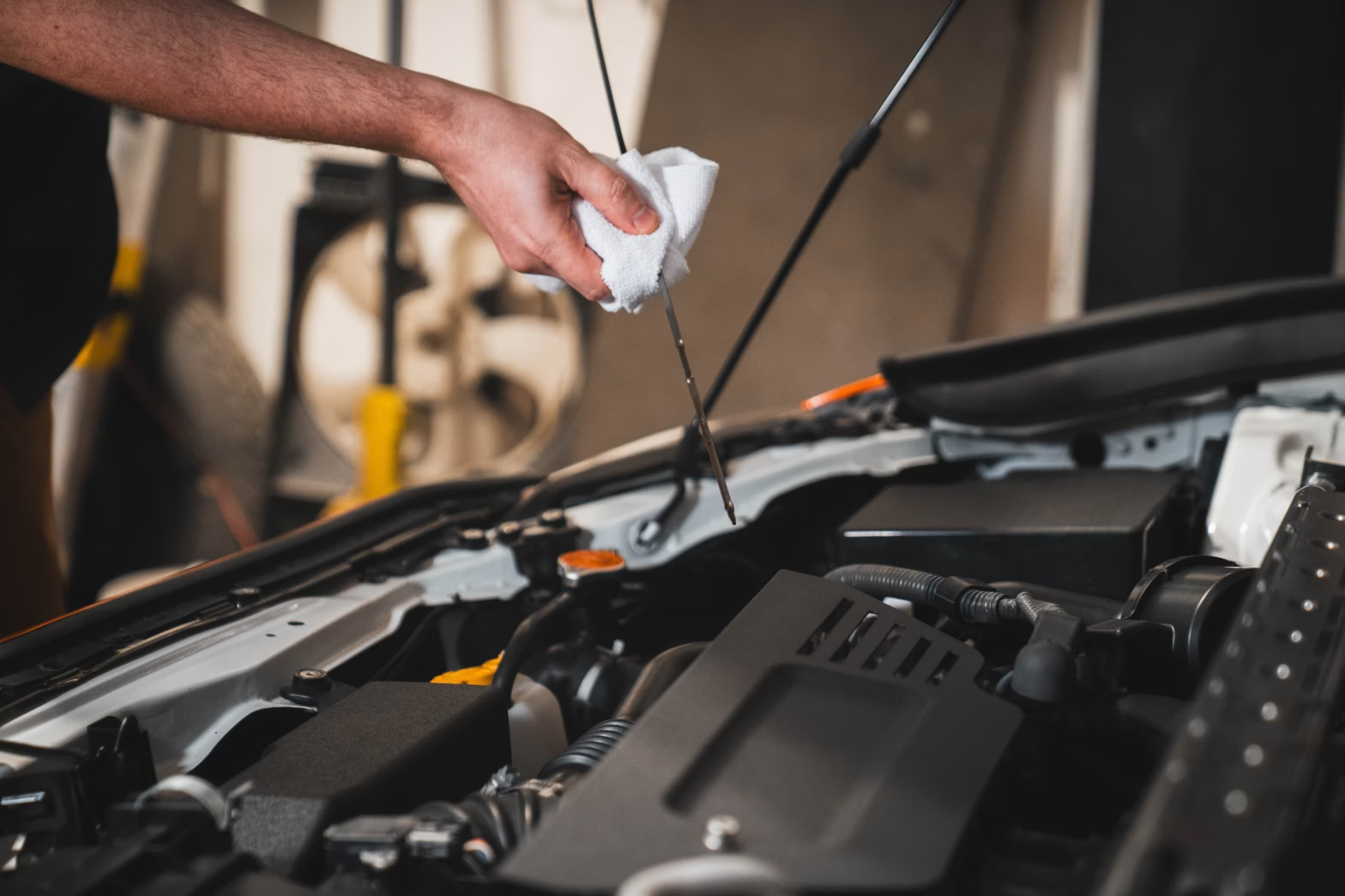
A high-mileage car does not necessarily mean an unreliable car. Many vehicles continue to perform well after travelling thousands of kilometres, provided they receive proper maintenance and mechanical attention. However, as kilometres accumulate, certain components naturally begin to wear, increasing the risk of mechanical problems and unexpected breakdowns. Regular car service in Preston helps identify developing faults, reduce the risk of unexpected breakdowns and keep high-mileage vehicles in good working condition.
-
Engine Oil and Filter Maintenance
The engine is one of the most expensive components to repair or replace, making regular oil changes particularly important for high-mileage vehicles. Engine oil lubricates moving parts, reduces friction and helps manage heat. Over time, it becomes contaminated and loses some of its protective properties.
Older engines may also consume more oil due to internal wear or deteriorating seals. Checking oil levels between scheduled services can help prevent damage caused by insufficient lubrication.
The oil filter should also be replaced according to the recommended service schedule. A contaminated filter can restrict oil flow and reduce the effectiveness of the lubrication system.
Using engine oil that meets the manufacturer’s specifications is equally important. Switching to thicker oil simply because a vehicle has travelled more kilometres is not always appropriate.
Regular inspections can also reveal oil leaks, worn seals and other engine concerns before they develop into more expensive mechanical problems.
-
Inspecting the Braking System
Braking components experience continuous wear throughout a vehicle’s life. As kilometres increase, brake pads, discs, callipers and hydraulic components may require closer attention to maintain effective stopping performance.
Unusual noises when braking, vibrations through the steering wheel or changes in pedal resistance can indicate that something is wrong. These symptoms should be investigated promptly, even if the vehicle still appears to stop normally.
Brake fluid is another important consideration. It gradually absorbs moisture, which can reduce its effectiveness at high temperatures and contribute to internal corrosion. Replacement should follow the manufacturer’s recommended intervals.
Brake hoses and lines should also be examined for deterioration, cracking and leaks. These components can weaken with age, even when the vehicle has been regularly serviced.
Replacing worn braking components before they cause further damage can help control maintenance expenses. More importantly, keeping the braking system in good condition supports safe driving in both suburban traffic and on longer journeys.
-
Checking the Cooling System and Radiator
High-mileage vehicles can become more susceptible to cooling system problems as hoses, seals and other components deteriorate. The cooling system regulates engine temperature and protects internal components from excessive heat.
Coolant levels and condition should be checked regularly. Old or contaminated coolant may provide reduced protection against corrosion, allowing deterioration to develop within the radiator and engine cooling passages.
Radiator hoses should be inspected for cracks, swelling and signs of leakage. The thermostat, water pump and radiator cap also play important roles in maintaining correct operating temperatures.
Warning signs such as frequent coolant loss, an unusually high temperature reading or coolant underneath the vehicle should never be overlooked.
Even a relatively small cooling system fault can result in significant engine damage if overheating occurs. If your engine overheats, stop safely and seek mechanical assistance. Never remove the radiator cap while the engine is hot.
Regular cooling system maintenance can help prevent costly repairs and unexpected interruptions to your journey.
-
Maintaining the Transmission and Drivetrain
The transmission transfers power from the engine to the wheels, allowing your vehicle to accelerate and operate at different speeds. After years of driving, transmission components may experience wear that affects performance and driving comfort.
Automatic transmission fluid helps lubricate internal components, manage heat and support smooth gear changes. Its condition and replacement requirements should be assessed according to the manufacturer’s recommendations.
Manual vehicles also require attention to gearbox oil, clutch condition and related components. Difficulty changing gears, unusual noises or clutch slipping may indicate developing problems.
Drivers should pay attention to delayed gear engagement, rough shifting, transmission fluid leaks and unexpected vibrations. These symptoms can become more noticeable as a vehicle accumulates kilometres.
Driveshafts, CV joints and differential components should also be inspected where applicable. Damaged CV boots, for example, can allow dirt to enter the joint and accelerate wear.
Identifying transmission and drivetrain problems early may help prevent extensive damage and expensive component replacement.
-
Examining Suspension, Steering and Tyres
Suspension and steering components gradually deteriorate through repeated exposure to uneven roads, potholes and everyday driving conditions. High-mileage vehicles may develop worn shock absorbers, bushes, ball joints and steering linkages.
These problems can affect handling, stability and ride comfort. Excessive bouncing, knocking sounds over bumps or difficulty maintaining a straight driving direction may indicate that an inspection is needed.
Tyre condition can also provide useful clues about underlying mechanical problems. Uneven tread wear may result from incorrect wheel alignment, unsuitable tyre pressure or worn suspension components.
Regularly checking tyre pressure, tread depth and sidewall condition helps maintain grip and can improve fuel efficiency. Tyres should also be examined for age-related deterioration, regardless of their remaining tread.
Wheel alignment and balancing may be necessary when uneven wear or vibration is detected.
Keeping the suspension, steering and tyres in good condition improves driving comfort while helping the vehicle respond predictably during cornering, braking and everyday manoeuvres.
-
Testing the Battery and Electrical Components
Electrical problems can become increasingly common as vehicles age. Batteries lose their ability to hold charge, wiring connections may deteriorate, and charging system components can experience wear.
Slow engine cranking, dim headlights and intermittent electrical faults are signs that the battery or charging system may require attention. However, replacing the battery without identifying the underlying problem may not resolve the issue.
A battery condition test can help determine whether replacement is necessary. Checking the alternator and starter motor can also reveal faults affecting starting and charging performance.
Battery terminals should be inspected for corrosion and loose connections, as these can interfere with the electrical supply.
Modern vehicles rely on numerous sensors and electronic control systems. Diagnostic scanning can help investigate warning lights and stored fault codes that may otherwise go unnoticed.
Regular electrical system checks can reduce the likelihood of starting problems and help identify faults before they interfere with everyday vehicle operation.
Give Your High-Mileage Car the Attention It Deserves
A higher odometer reading does not mean it is time to replace your vehicle. With appropriate maintenance and professional mechanical assessments, you can make informed decisions about its ongoing care.
At Albert ST Automotive, our qualified mechanics in Preston provide vehicle inspections, scheduled maintenance, fault diagnosis and mechanical repairs. Whether your vehicle needs a brake service in Preston or a comprehensive maintenance check, our team can help identify areas requiring attention.
We welcome motorists from Preston, Bundoora, Reservoir, Northcote, Heidelberg, Heidelberg West, Coburg, Coburg North, Thornbury and surrounding suburbs. Visit our Google Business Profile to read customer reviews and learn more about our workshop.
Call 03 9470 1052 today to arrange your next service and help your car stay in good condition for the kilometres ahead.